








Lobsters
Fresh Lobster, Premium Quality from Canada and Europe
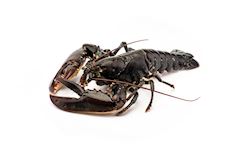
Discover the refined flavour of fresh lobster at Fredimare, carefully selected for freshness, quality and size. Our range includes both Canadian lobster and European lobster, available in various weight grades to suit a wide range of culinary applications. Canadian lobster is known for its firm, succulent meat and rich, subtly sweet flavour. European lobster offers an exceptionally refined character, with delicate meat, an elegant texture and subtle natural sweetness. Both species offer the quality and presentation that make lobster one of the most highly prized shellfish in fine dining. Prepare lobster traditionally by boiling or steaming, halve it for the grill or barbecue, or use the meat in refined starters, pasta, risotto and luxurious fish and shellfish dishes. The head and shell are also highly valuable in the kitchen and provide an excellent base for a rich lobster stock, bisque or shellfish sauce.
From an elegant starter to an impressive main course, at Fredimare you can select the fresh lobster and weight grade that best suits your preparation.


Buy Fresh Lobster at Fredimare
Looking to buy fresh lobster for restaurants, catering, professional kitchens or home use? At Fredimare, you will find carefully selected Canadian and European lobsters in a range of different weight grades. This makes it easy to select the right size according to your dish, portion requirements and desired presentation. Lobster is regarded worldwide as one of the most exclusive shellfish delicacies. Its succulent meat, refined natural sweetness and impressive presentation make fresh lobster particularly suitable for both classic preparations and modern gastronomy.
Canadian Lobster
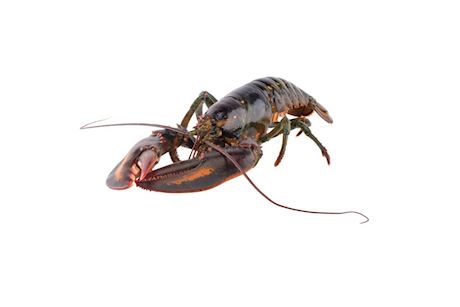
The Canadian lobster (Homarus americanus) comes from the cold waters of North America and is known for its firm, succulent meat and rich, subtly sweet flavour. This lobster is exceptionally versatile and can be boiled or steamed whole, or halved and prepared on the grill or barbecue. The meat from the tail and claws can also be used in starters, pasta, risotto and other refined fish and shellfish dishes. At Fredimare, Canadian lobster is available in a variety of weight grades. This allows you to select smaller specimens for individual portions as well as larger lobsters for generous dishes and impressive seafood presentations.
European Lobster
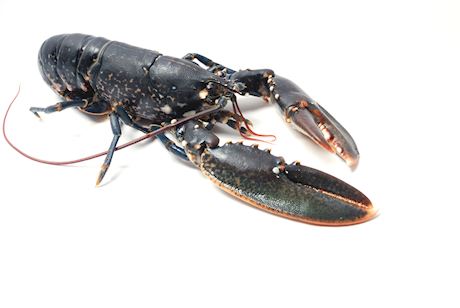
The European lobster (Homarus gammarus) is an exclusive delicacy from European coastal waters. This lobster is recognisable by its characteristic dark blue to almost black colour and is particularly prized for its refined meat and subtle, naturally sweet flavour. The meat has a delicate yet firm texture and remains beautifully succulent when carefully prepared.
European lobster can be boiled, steamed, grilled or oven-cooked. Its refined character makes it particularly suitable for gastronomic dishes where the pure flavour of the lobster takes centre stage.
Different Sizes of Fresh Lobster
The right lobster size depends on the preparation and desired presentation. Fredimare offers Canadian lobster in different weight grades ranging from 400–500 g to 1300–1500 g.
European lobster is also available in several sizes, including 400–600 g, 600–800 g, 800–1000 g and 1000–1200 g. Smaller lobsters are ideal for individual portions and refined main courses. Larger specimens provide more generous quantities of lobster meat and are particularly suitable for sharing or dishes where the lobster takes a prominent place on the plate.
How to Prepare Lobster
Fresh lobster can be prepared in several ways. Traditionally, the lobster can be boiled or steamed whole, after which the meat is carefully removed from the tail, claws and legs.
For a more intense preparation, the lobster can be halved lengthwise and briefly grilled or cooked on the barbecue. Butter, lemon, garlic and fresh herbs pair beautifully with the naturally rich flavour of lobster meat..The meat is also particularly suitable for pasta, risotto, salads, refined starters and luxurious fish and shellfish dishes.
Lobster Stock and Bisque
Almost the entire lobster can be used in the kitchen. The head, shell and other parts remaining after the meat has been removed provide an excellent base for a rich lobster stock, bisque or shellfish sauce. By gently roasting the shells before simmering them with aromatic ingredients, you can create a concentrated base with a deep and distinctive lobster flavour. This makes it possible to use a single fresh lobster for both the meat itself and for sauces, soups and other refined preparations.
Canadian or European Lobster?
Both Canadian and European lobster offer excellent culinary possibilities, but each has its own distinctive character. Canadian lobster is appreciated for its firm, succulent meat and rich flavour, while European lobster stands out for its particularly refined character, delicate texture and subtle sweetness.n The most suitable lobster therefore depends on the desired flavour, presentation, preparation method and available weight grade.
Fresh Lobster for Restaurants and Home Use
Whether you are looking to buy fresh lobster for a restaurant, preparing a luxurious main course or creating a special seafood experience at home, Fredimare offers Canadian and European lobster in a variety of sizes. Choose the species and weight grade that best suits your preparation and discover the refined flavour and versatility of fresh lobster at Fredimare.
THE TUNA, DECONSTRUCTED
The tuna is impressive not only in size but also in its diversity of flavors. Each part of the fish offers its own culinary value – from the soft, marbled belly cuts to the bold, firm organs. Whether you're looking for sashimi-grade pieces or unique cuts for hot preparations, you'll find it all here.


HEAD MEAT
It has the unique characteristic of having a fat percentage similar to that of ventresca, although its meat is firmer. It offers many cooking options. It's ideal for pairing with acids (which reduce the high fat content), with cooked dishes such as passion fruit cream, or with traditional dishes such as pickles. Due to its high fat content, it works very well grilled and barbecued. Grilled, it would go perfectly with red peppers, truffled potato cream, or pan-fried pate . It is recommended to cook it 100% or well done .
HEAD MEAT
It has the unique characteristic of having a fat percentage similar to that of ventresca, although its meat is firmer. It offers many cooking options. It's ideal for pairing with acids (which reduce the high fat content), with cooked dishes such as passion fruit cream, or with traditional dishes such as pickles. Due to its high fat content, it works very well grilled and barbecued. Grilled, it would go perfectly with red peppers, truffled potato cream, or pan-fried pate . It is recommended to cook it 100% or well done .

CHEEK
It's the inner part of the tuna's face. Because it's quite fibrous, it's perfect when grilled at a low temperature to ensure it's tender. It's delicious grilled, but we can also coat it with flour first and then stew or braise it.
CHEEK
It's the inner part of the tuna's face. Because it's quite fibrous, it's perfect when grilled at a low temperature to ensure it's tender. It's delicious grilled, but we can also coat it with flour first and then stew or braise it.

BELLY - TORO
The ventresca, also known as sorra, ijada or ootoro (in Japanese, it means "superior mellowness" ), is located in the ventral part of the tuna.
The ultimate expression of sushi and sashimi, it is the cut most prized by chefs and the icon of authentic bluefin tuna, distinguishing it from other species of lesser culinary value . Being the cut with the highest content of unsaturated fats (omega 3), it is also the pinkest and most tender cut of tuna. These two qualities make it ideal for preparations raw, but also grilled, pan-seared, and pickled, among many others.
BELLY - TORO
The ventresca, also known as sorra, ijada or ootoro (in Japanese, it means "superior mellowness" ), is located in the ventral part of the tuna.
The ultimate expression of sushi and sashimi, it is the cut most prized by chefs and the icon of authentic bluefin tuna, distinguishing it from other species of lesser culinary value . Being the cut with the highest content of unsaturated fats (omega 3), it is also the pinkest and most tender cut of tuna. These two qualities make it ideal for preparations raw, but also grilled, pan-seared, and pickled, among many others.

TIP OF LOIN
This cut from the end of the loin, often overlooked, surprises the culinary world with its versatility in the kitchen. The tip of the loin can be a great help both in finishing a tartar and in making it the star of a dish with onions. It's perfect for making hamburgers or meatballs , whether grilled or braised .
TIP OF LOIN
This cut from the end of the loin, often overlooked, surprises the culinary world with its versatility in the kitchen. The tip of the loin can be a great help both in finishing a tartar and in making it the star of a dish with onions. It's perfect for making hamburgers or meatballs , whether grilled or braised .
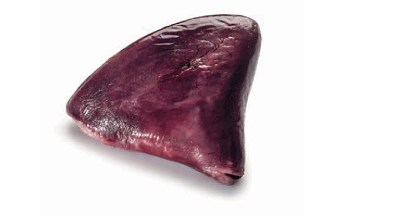
HEART
A trendy product within the new gastronomy. It requires long cooking times. Its intense flavor is a reward for the senses. It can be prepared salt-cured, stewed, or casseroled.
HEART
A trendy product within the new gastronomy. It requires long cooking times. Its intense flavor is a reward for the senses. It can be prepared salt-cured, stewed, or casseroled.
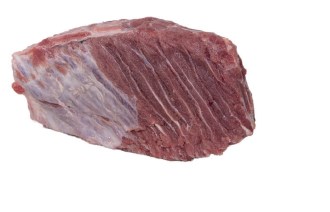
HARMONICA
It's called "harmonica" because its meat is marbled, with a feather appearing approximately every half centimeter, spanning the entire piece horizontally and vertically. It can be eaten either on the bone, which would be the most traditional way, or in a terrine. To debone it, it's essential to cook the piece thoroughly: 15 to 25 minutes in an aromatic broth (with pepper, bay leaves, onion, etc.) at about 65 degrees, until the bone comes loose easily. Next, we compact it in a terrine to obtain rectangles to which we apply different cooking techniques. The flavor of the "harmonica" is very surprising, as it has a very meaty flavor reminiscent of veal.
HARMONICA
It's called "harmonica" because its meat is marbled, with a feather appearing approximately every half centimeter, spanning the entire piece horizontally and vertically. It can be eaten either on the bone, which would be the most traditional way, or in a terrine. To debone it, it's essential to cook the piece thoroughly: 15 to 25 minutes in an aromatic broth (with pepper, bay leaves, onion, etc.) at about 65 degrees, until the bone comes loose easily. Next, we compact it in a terrine to obtain rectangles to which we apply different cooking techniques. The flavor of the "harmonica" is very surprising, as it has a very meaty flavor reminiscent of veal.

LOIN
Akami , which means "red meat" in Japanese, refers to the inner part of the loin, next to the spine. Its main characteristics are its red color and intense flavor. Chutoro means "intermediately tender," as it has a fat content between akami ( lean) and belly (fat). The outer part of the loin, very close to the skin, is characterized by its pink color and smoothness. The combination of akami and chutoro is the hallmark of authentic bluefin tuna ( hon maguro ), prized by sushi makers around the world. This duality of colors and textures offers chefs endless culinary possibilities.
LOIN
Akami , which means "red meat" in Japanese, refers to the inner part of the loin, next to the spine. Its main characteristics are its red color and intense flavor. Chutoro means "intermediately tender," as it has a fat content between akami ( lean) and belly (fat). The outer part of the loin, very close to the skin, is characterized by its pink color and smoothness. The combination of akami and chutoro is the hallmark of authentic bluefin tuna ( hon maguro ), prized by sushi makers around the world. This duality of colors and textures offers chefs endless culinary possibilities.

SECRETO
Located in the inner part of the tuna, the "secreto" (or paladar) is a piece that can be eaten both raw and cooked. Its flavor is intense and usually pairs well with sweet and sour or spicy dishes. Raw, it can be used in nigiri or as carpaccio , always sliced very thinly. When hot, it's ideal for grilling or stewing.
SECRETO
Located in the inner part of the tuna, the "secreto" (or paladar) is a piece that can be eaten both raw and cooked. Its flavor is intense and usually pairs well with sweet and sour or spicy dishes. Raw, it can be used in nigiri or as carpaccio , always sliced very thinly. When hot, it's ideal for grilling or stewing.

EYE
Although it's still a new ingredient here, Asians have long used it in their cooking. In the Western world, advancement and development in the culinary field are increasingly seeking out new ingredients. In the eye , for example, the muscle and connective tissue surrounding it is used for its high collagen and protein content.
EYE
Although it's still a new ingredient here, Asians have long used it in their cooking. In the Western world, advancement and development in the culinary field are increasingly seeking out new ingredients. In the eye , for example, the muscle and connective tissue surrounding it is used for its high collagen and protein content.

CHIN
In the case of tuna, it's a bone that , in addition to gelatin, offers a large amount of meat. It's ideal for baking, grilling, stewing, braising, or candied, since when cooked using these techniques, the fibers and cartilage become mellow. It can also be served in rice dishes, shredded or whole. It pairs well with deep flavors, with flavors of the sea and mountains, in the case of stews.
CHIN
In the case of tuna, it's a bone that , in addition to gelatin, offers a large amount of meat. It's ideal for baking, grilling, stewing, braising, or candied, since when cooked using these techniques, the fibers and cartilage become mellow. It can also be served in rice dishes, shredded or whole. It pairs well with deep flavors, with flavors of the sea and mountains, in the case of stews.
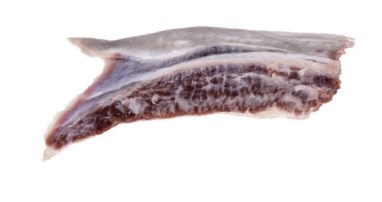
EAR
A part of pork that has been discarded in the Spanish market until now and which, due to its location, composition, size, and texture, is very similar to the more gelatinous parts of pork. It is a very fine ingredient, with a delicate sea flavor, that can be prepared boiled, stuffed, grilled, or as carpaccio . This part is located in the operculum. It is between 20 and 25 centimeters long and consists of a fibrous part and a meaty part.
EAR
A part of pork that has been discarded in the Spanish market until now and which, due to its location, composition, size, and texture, is very similar to the more gelatinous parts of pork. It is a very fine ingredient, with a delicate sea flavor, that can be prepared boiled, stuffed, grilled, or as carpaccio . This part is located in the operculum. It is between 20 and 25 centimeters long and consists of a fibrous part and a meaty part.

COLLAR BONE
It's known as entrecote de mar (sea entrecote) and is the bone on the sides of the neck that joins the head to the body of the animal. A portion of belly meat is added to the lean, deep red meat on the bone. It can be grilled, very toasted on the outside and very juicy on the inside. Along with ossobuco, parpatana has become a staple on the menus of the best steakhouses due to the results obtained when cooked on the grill or in a josper . It can also be boiled, shredded, and cooked in a terrine.
COLLAR BONE
It's known as entrecote de mar (sea entrecote) and is the bone on the sides of the neck that joins the head to the body of the animal. A portion of belly meat is added to the lean, deep red meat on the bone. It can be grilled, very toasted on the outside and very juicy on the inside. Along with ossobuco, parpatana has become a staple on the menus of the best steakhouses due to the results obtained when cooked on the grill or in a josper . It can also be boiled, shredded, and cooked in a terrine.

TRIPE
Considered the tripe of the sea. Its rough texture is the stomach of the tuna . It should be washed well and boiled until tender. It can be stewed with potatoes and a good picada, which may include pieces of the heart. This is a typical fish stew for winter days.
TRIPE
Considered the tripe of the sea. Its rough texture is the stomach of the tuna . It should be washed well and boiled until tender. It can be stewed with potatoes and a good picada, which may include pieces of the heart. This is a typical fish stew for winter days.

BONE MEAT
One of the typical sights of Tsukiji Market in Tokyo is the auctioneers eating nakaochi by the spoonful straight from the tuna. Due to its delicate nature and limited production, it's a product for immediate consumption. It's suitable as a dressing for salads, ceviches, and tiraditos, as well as for making hamburgers or meatballs.
BONE MEAT
One of the typical sights of Tsukiji Market in Tokyo is the auctioneers eating nakaochi by the spoonful straight from the tuna. Due to its delicate nature and limited production, it's a product for immediate consumption. It's suitable as a dressing for salads, ceviches, and tiraditos, as well as for making hamburgers or meatballs.

BLOODLINE
Part of the muscle closest to the spine. It has similar characteristics to the rest of the loin meat, although its texture is softer and its flavor is more potent . Its selenium content is the highest of all known foods. It also has antioxidant properties that help prevent certain diseases. It goes very well with tomato sauce, onion sauce, quince sauce, salted, or for making sausages. It can also be prepared pickled, marinated in acid, grilled, candied, barbecued, stewed, and casseroled.
BLOODLINE
Part of the muscle closest to the spine. It has similar characteristics to the rest of the loin meat, although its texture is softer and its flavor is more potent . Its selenium content is the highest of all known foods. It also has antioxidant properties that help prevent certain diseases. It goes very well with tomato sauce, onion sauce, quince sauce, salted, or for making sausages. It can also be prepared pickled, marinated in acid, grilled, candied, barbecued, stewed, and casseroled.

BONE MARROW
False marrow is the synovial fluid that facilitates the movement of the vertebral discs in tuna. It was used for the first time in 2003 at Ferran Adrià's El Bulli restaurant. It has a unique texture and a subtle flavor. It requires gentle cooking, at most poaching, battering, or frying. It is also ideal for eating raw or in tempura, or for making sauces.
BONE MARROW
False marrow is the synovial fluid that facilitates the movement of the vertebral discs in tuna. It was used for the first time in 2003 at Ferran Adrià's El Bulli restaurant. It has a unique texture and a subtle flavor. It requires gentle cooking, at most poaching, battering, or frying. It is also ideal for eating raw or in tempura, or for making sauces.